LABELS
Look for the glass and fork
UK law says kitchenware sold for food must say “for food contact”, name its use or carry the glass and fork symbol. It does not mean dishwasher safe.
Check a dish
 warediary
WHAT FOOD SAFETY BODIES SAY
FOR FOOD and the right food
Every pot, tub and plate is made for a job.
Food safety bodies in the UK and Europe say the same simple thing: use kitchenware as it was meant to be used, and take extra care with hot, fatty, salty or sour food.
Updated
Check a dishTHE SHORT ANSWER
Most kitchenware is safe in normal use.
The risks come from using it for the wrong job.
LABELS
UK law says kitchenware sold for food must say “for food contact”, name its use or carry the glass and fork symbol. It does not mean dishwasher safe.
Check a dishHOT FOOD
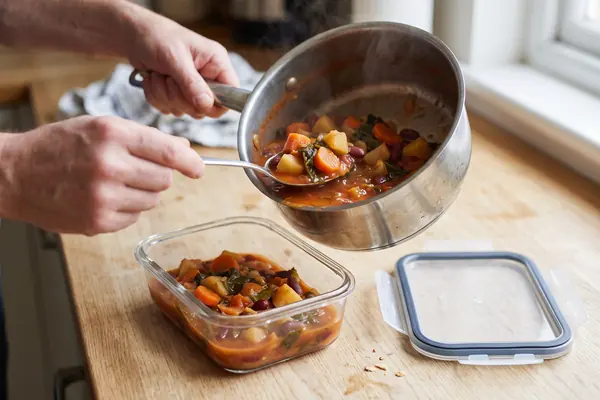
Finland's food authority says very sour, fatty or hot food draws more substances out of containers. Use a microwave-marked box for heating.
Four habitsOLD CHINA
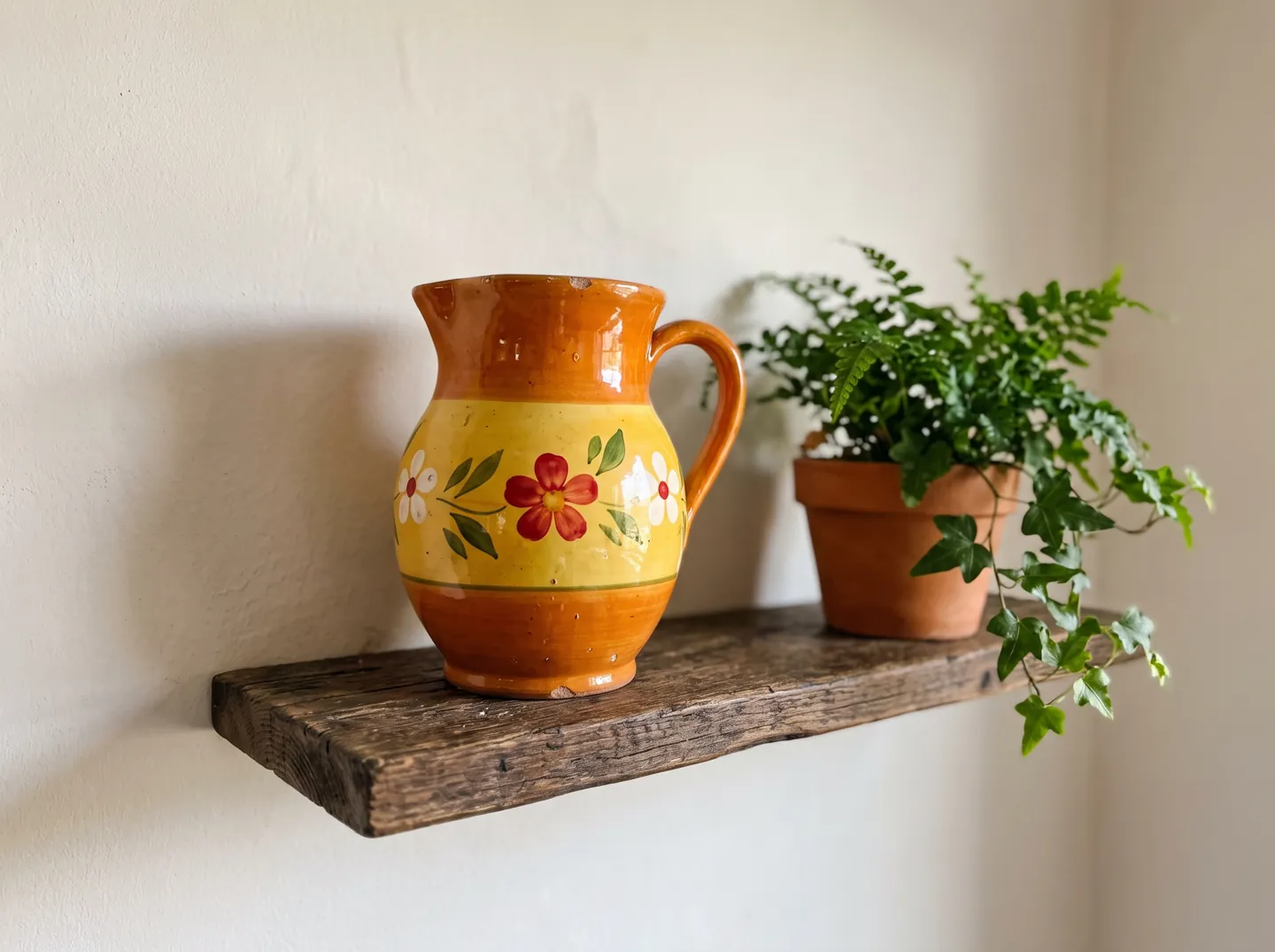
Decorative and souvenir dishes can contain heavy metals. The US FDA flags antique, worn or brightly glazed pottery as a lead risk.
See the numbersA QUICK DISH CHECK
Pick a container and a use to see how food safety guidance rates it. The bar shows how strongly the guidance says to change what you are doing.
Based on guidance from the Finnish Food Authority, Food Standards Scotland and the FSA, the US FDA and Germany's BfR. General information only.
TWO NUMBERS WORTH KNOWING
Both figures come from a 2023 survey of shoppers
in 11 European countries by the consumer group BEUC.
29%
Know the glass and fork means food contact
Around 3 in 4 people recognised the glass and fork symbol, but only 29% knew it means suitable for food contact. Many thought it meant dishwasher safe.
THE SYMBOL · BEUC 2023
1 in 2
Keep using worn or damaged containers
Half of those surveyed keep using worn or damaged food containers and kitchenware for some time. BEUC notes that age and wear can increase the risk of chemicals moving into food.
WORN WARE · BEUC 2023
BEUC also found that 2 in 3 people at least sometimes find no safe-use instructions on food containers and kitchenware, and that over 8,000 chemicals are used to make and treat food packaging materials.
FOUR HABITS TO TRY
These come from food safety authorities in Finland, the UK, Germany and the US. Most are about how you use what you already own.
Packaging should say if there are limits on temperature, food type or contact time. Follow it, and keep the leaflet for the microwave and oven rules.
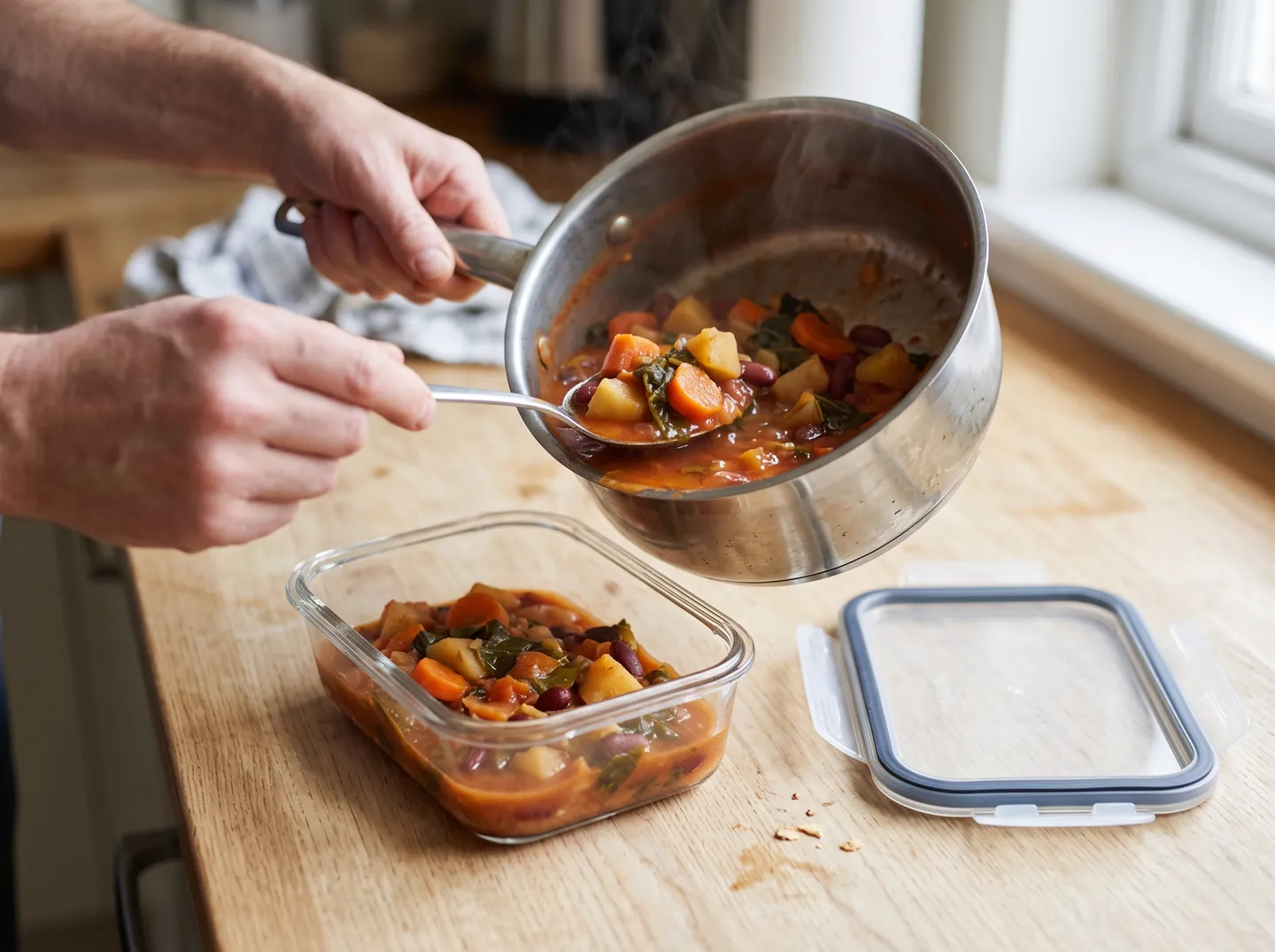
Move hot leftovers and acidic sauces into glass or a box made for the job. Move food out of an opened tin before storing it.
Only use containers with an intact surface. Once the surface is broken, the container no longer has the quality it was made with.
Use inherited ceramics and crystal glasses for special occasions, not every day, and keep souvenir and decorative pieces away from food.
IF YOU OWN BAMBOO-PLASTIC WARE
In July 2024 the FSA and Food Standards Scotland advised people not to use plastic cups, bowls or utensils that contain bamboo or similar plant fibres such as rice husk, wheat straw or hemp. Experts found these can release formaldehyde and melamine into food above the legal limit.
They are not compostable and cannot be recycled, so put them in general waste or use them for non-food jobs. The advice does not cover items made only from bamboo, such as a plain wooden spoon. Composite items usually feel smooth, like plastic.
Questions
It means the item is meant to come into contact with food. Under the food contact law that still applies in the UK, kitchenware sold for food must carry the words “for food contact”, a specific use such as soup spoon, or this symbol. It is not a dishwasher or microwave mark.
The Finnish Food Authority says throwaway packaging is not generally tested for repeated use. At home it can be reused with care, for example for dry food, but not for fatty, hot or very acidic food.
Plastic cups and utensils that mix plastic with bamboo or other plant fibres are not authorised in Great Britain, and the FSA and Food Standards Scotland advise not using them for food or drink. Items made solely from bamboo are not covered by that advice.
Germany's BfR says aluminium can move into food, particularly when food is acidic or salty or is kept warm in foil or trays. Anyone wanting to cut their intake can avoid wrapping acidic or salty food in foil and use stainless steel trays on the barbecue.
You cannot tell by looking. The US FDA lists antique, worn, crude handmade, street-market and bright orange, red or yellow glazed pieces as problem types. Home test kits exist; if in doubt, do not use the piece for food, as washing cannot remove lead.
Sources
ABOUT THIS NAME
warediary.com is part of the DoodleSale portfolio. It isn't in an auction right now, but you can ask about leasing it.